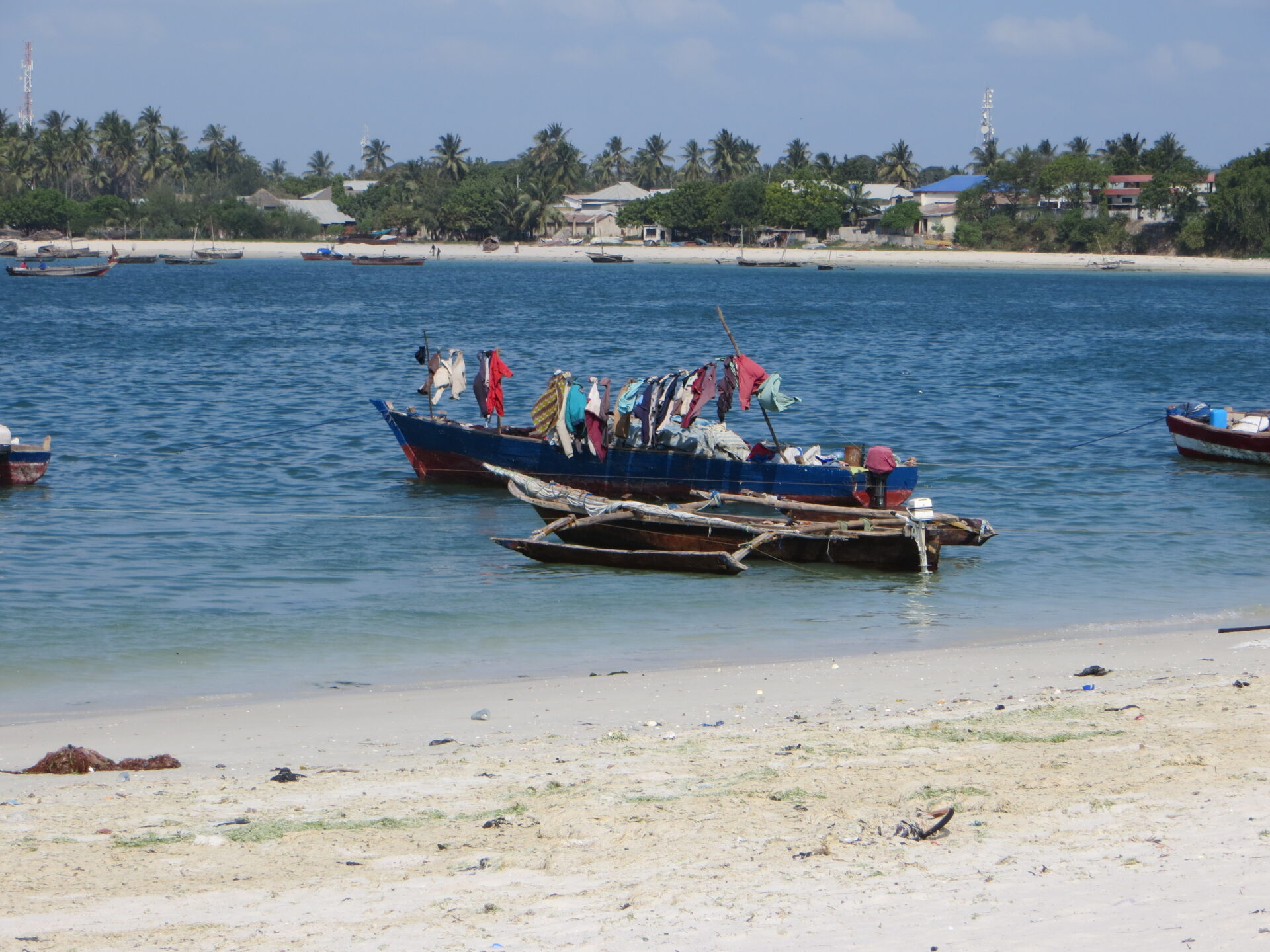

Our arrival in Tanzania, exploring the vibrant Dar es Salaam Fish Market, navigating the maze of Stone Town, and relaxing on the beaches of Paje. Highlights include the Forodhani night market, the Spice Tour, and swimming with wild dolphins off the coast of Zanzibar.
Tanzania Part 1: Island Life and Coastal Chaos (Dar es Salaam & Zanzibar)
Our journey to Tanzania was a multi-stop haul: Toronto → Rome → Addis Ababa → Dar es Salaam. After the cramped middle leg, landing in Dar es Salaam was a huge relief. We navigated the initial chaos of the airport to reach the modest but comfortable Nikko Hotel, providing us with a crucial recovery night after the long flight.
Dar es Salaam: First Impressions and Fish Markets
With just one full day in Dar, we set out on foot, covering 10–12 kilometres.
- The Ferry: Our first mission was securing tickets for the ferry to Zanzibar. We happily paid the extra $5 for the VIP section, securing cushy seats and Wi-Fi for the crossing.
- The Fish Market: We wandered up to the vibrant, chaotic, and colourful fish market. While persistent guides offered tours, one kind man showed us around for free, allowing us to soak in the raw energy of the vendors and fresh catches.
- Local Logistics: We quickly secured a local SIM card for just $2.50—cheap insurance for data. We also started looking at tanzanite, a stone unique to Tanzania, considering inexpensive replacements for our rings, which we'd left at home.
After a long day of walking, complete with a celebratory "Subway is everywhere" lunch, we crossed over on the ferry, ready for our first taste of Zanzibar.
Stone Town: The Maze and the Market
Arriving in Stone Town felt like stepping into a historical maze. Finding our hotel, the 1001 Nights, was an adventure in itself, hidden down narrow alleys. The constant stream of locals insisting on "helping" (often for payment) while misdirecting us was exhausting.
Stone Town's narrow alleys twist past mosques, churches, and historic sites, including the former slave market and jail. Despite the pushy touts, the city offered incredible rewards:
- Spice Tour: We spent time wandering through a farm, smelling cinnamon, nutmeg, lemongrass, and vanilla, followed by a simple curry lunch. The fragrant experience gave us a deeper appreciation for why Zanzibar is world-famous.
- Forodhani Gardens Night Market: The food here was heavenly. We feasted on barracuda, blue marlin, lobster, shawarma, and local "pizzas"—a dough base with fillings like Nutella, chocolate, banana, or Nic’s choice, avocado. The fresh sugar cane–ginger juice was the perfect accompaniment.
Paje and the Ocean's Edge
After the maze of Stone Town, we needed a change of pace. We were reminded of the local rhythm by the Masai beach vendors who urged us, “Why you hurry, hurry? You should polle polle…” (slowly, slowly).
A taxi brought us to Paje, on the southeast coast, where we stayed in a beach hut at Jambo Beach Bungalows. Though the hut had its quirks (like a pullout-couch-like bed and perpetual kitchen shortages), being steps from the sand made up for a lot, letting us enjoy quiet days of walking and reading.
Dolphins, Monkeys, and Attitude
From Paje, we booked a Dolphin & Monkey Tour ($35 each). The dolphin experience was surreal. Out in a rough boat, the guide yelled, “Jump!” and suddenly, we were swimming alongside wild dolphins, so close we could have touched them.
From the ocean, we moved to Jozani Forest, home to the beautiful Sykes monkeys and the rare, protected Red Colobus monkeys, which were incredibly comfortable around people.
The biggest lesson of the day was about perspective, watching another tourist complain about every minor inconvenience while barely noticing the magic around her. Attitude shapes the journey as much as the destination.
Next Up: We're leaving the coast. I’m heading to Moshi to begin my six-day climb of Mount Kilimanjaro, 5,900 meters above sea level. While I climb, Nic will explore Moshi and plan the next stage: the safari.

